
SPD
Lightning strikes and power surges damage expensive equipment without warning, leaving electricians and installers liable for costly repairs. EARU Surge Protection Devices stop transient overvoltage before it reaches sensitive circuits, using advanced clamping technology proven in harsh industrial environments. Shop the official store now and secure DIN-rail SPD units at the best price with full manufacturer backing.


EARU Surge Protection Devices for Critical Circuits
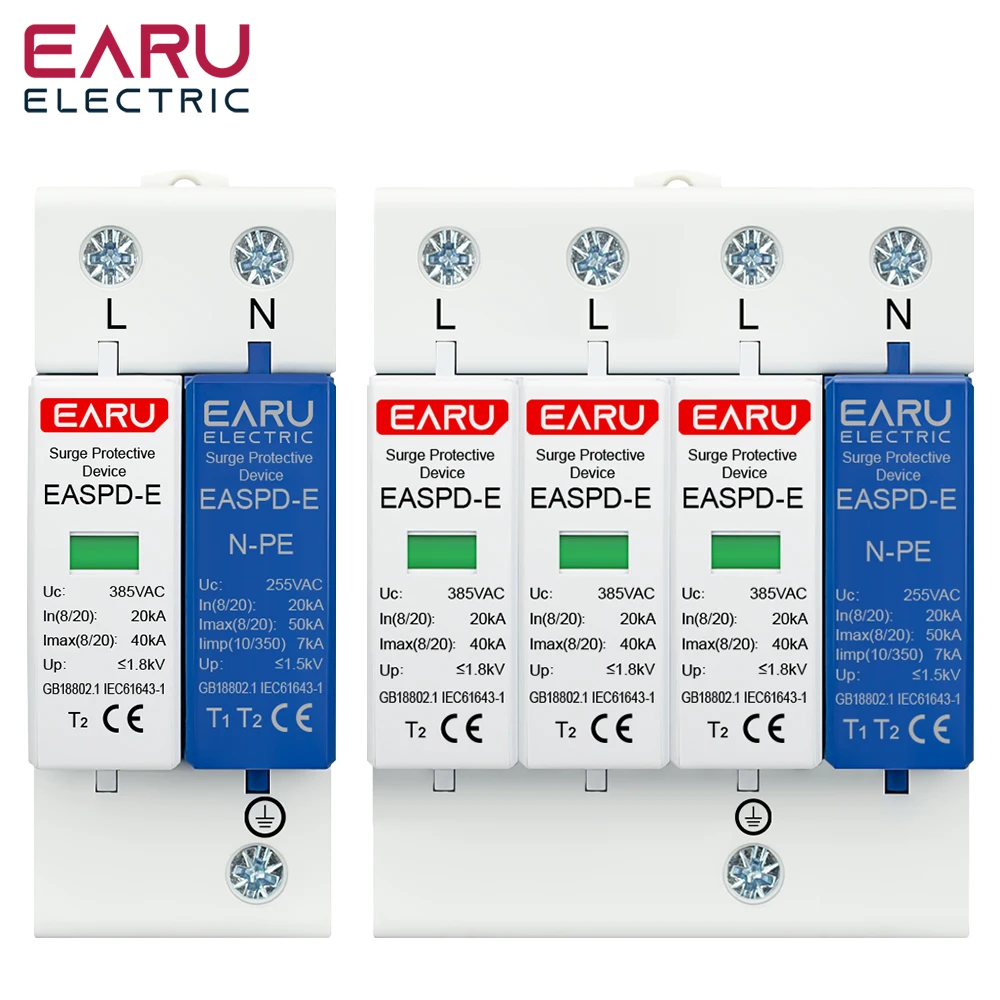
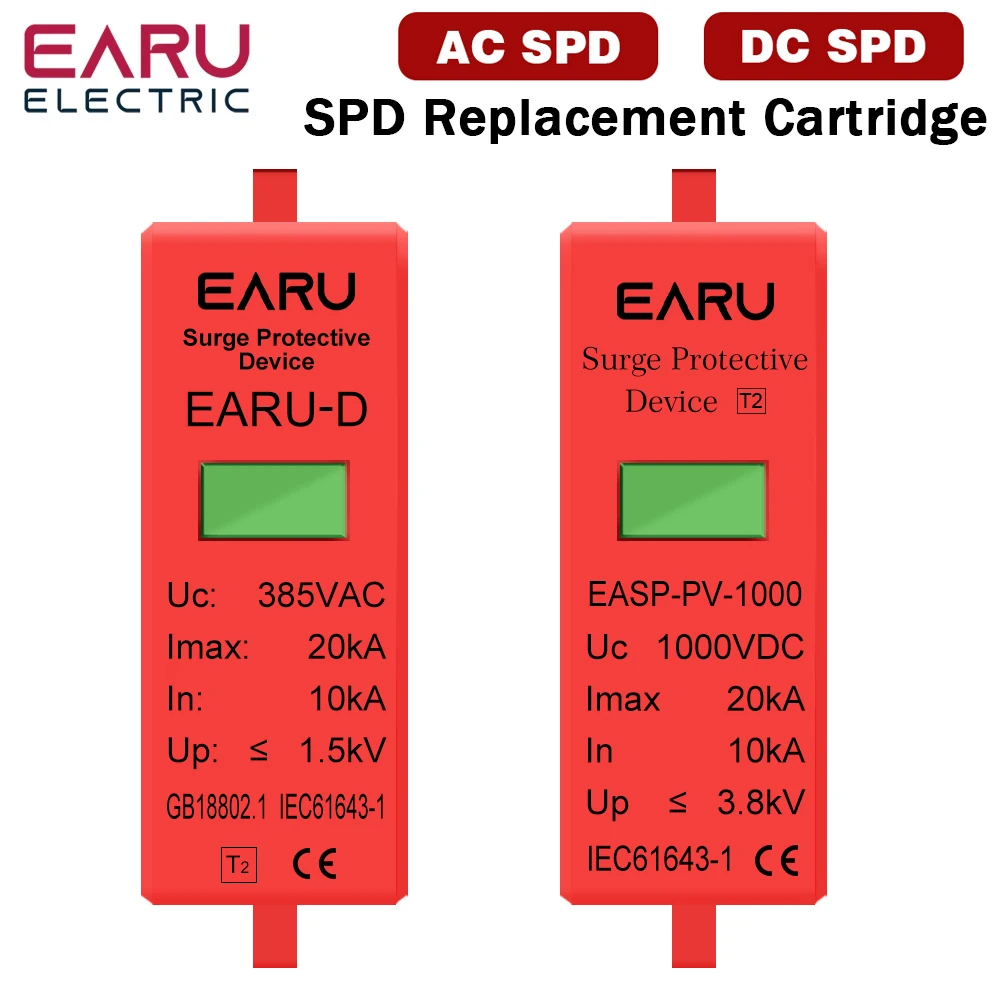
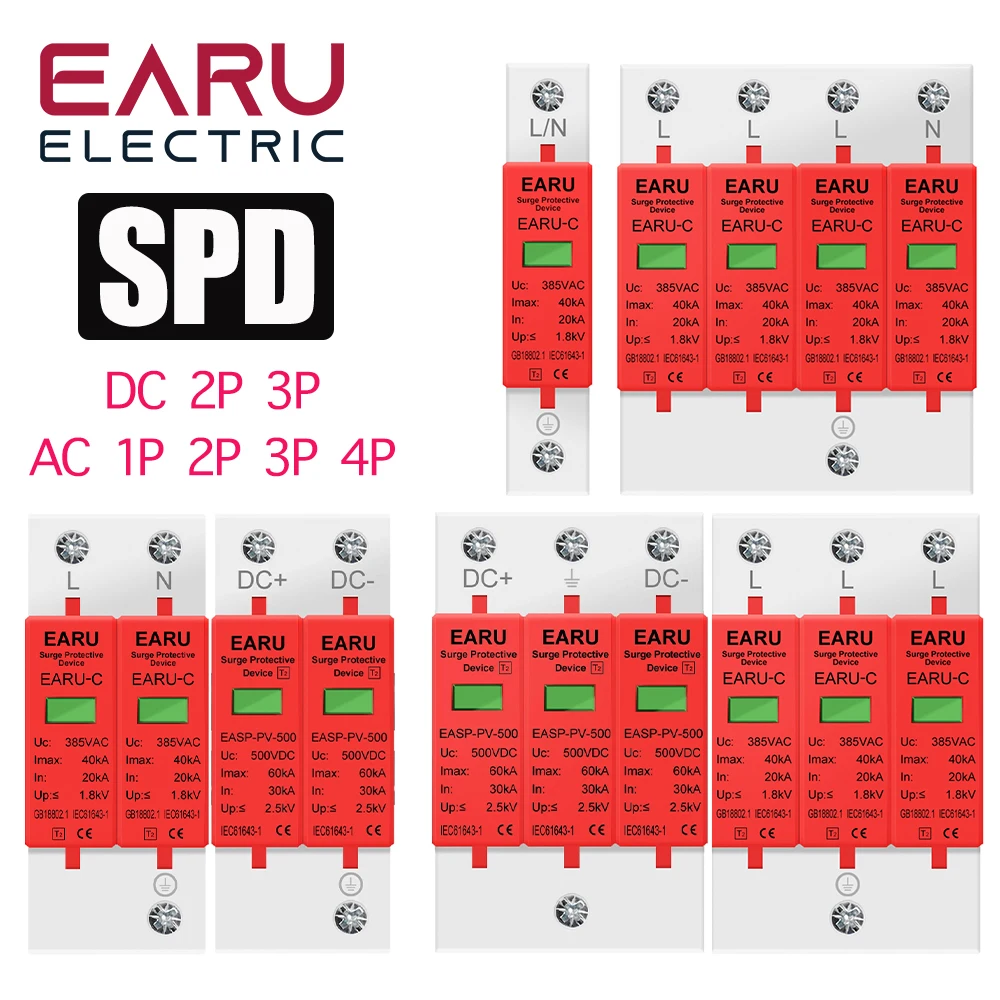
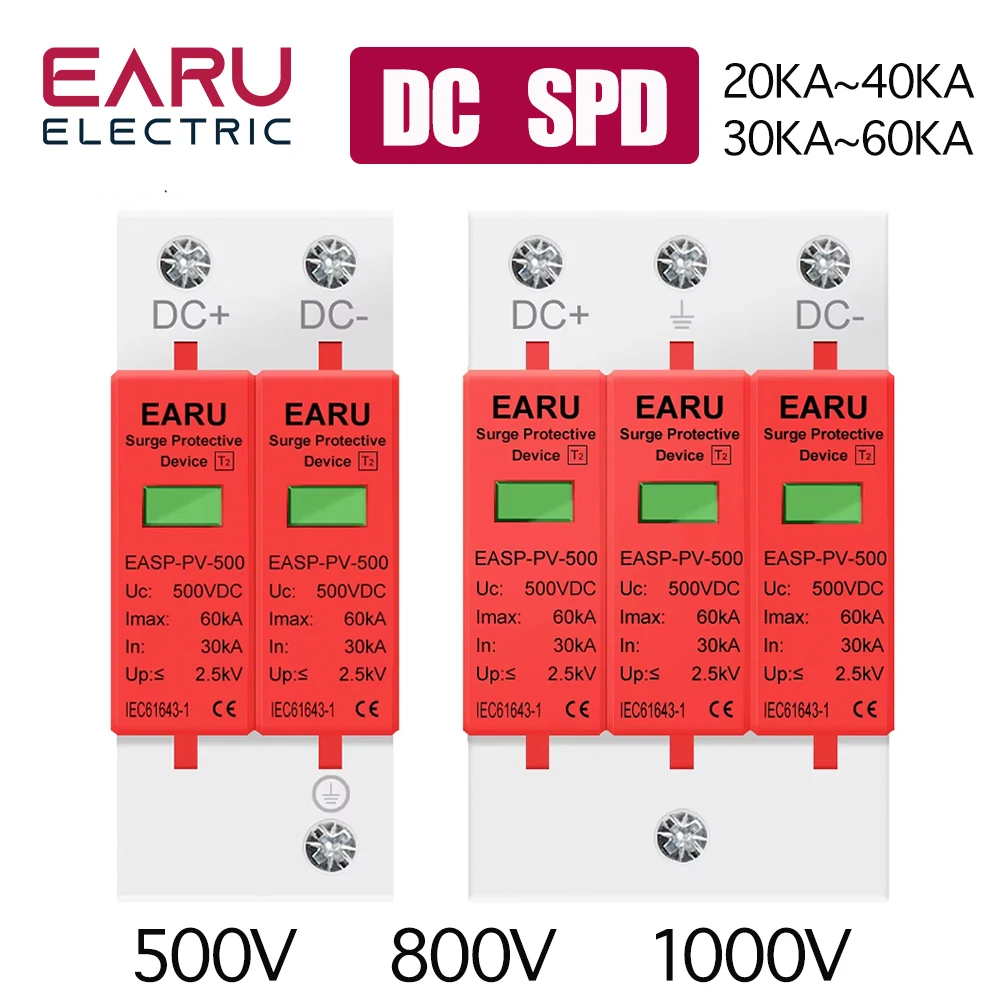
EARU Surge Protection Devices protect distribution boards, machinery, and automation systems from destructive voltage transients caused by lightning, switching surges, and grid faults. These SPD lightning defense units mount directly to standard DIN rails alongside circuit breakers and contactors, creating a unified protection strategy across residential, commercial, and industrial installations. Type 1, Type 2, and Type 3 protection classes address different threat scenarios: direct lightning strikes on building entry points, internal surges from switching loads, and final-stage protection at sensitive equipment. Each EARU surge protection device handles repetitive transient events without degradation, ensuring reliable performance across equipment lifecycles lasting 15 to 25 years. Electricians specify these units because published test data confirms their ability to limit let-through voltage to safe levels while coordinating seamlessly with upstream and downstream protection layers. DIY enthusiasts and professional installers alike depend on SPD lightning defense technology to prevent fire risk, equipment failure, and dangerous flashover conditions. Order online from the official store to receive units certified to IEC 61643-11 and tested under controlled surge current conditions.
Advanced Clamping Technology and Coordinated Protection
EARU surge protection devices employ metal oxide varistor (MOV) or gas discharge tube elements that clamp transient voltage within microseconds, protecting everything from PLC controllers to HVAC systems. The coordination between Type 2 devices installed at main distribution and Type 3 units at equipment inlets prevents cascading failures and ensures predictable protective zones across complex electrical networks. Thermal disconnectors built into each SPD unit break internal connections if temperature exceeds design limits, preventing arc propagation and fire spread in rare fault scenarios. Remote signaling outputs on selected models alert facility managers when a protective event occurs, enabling proactive maintenance before system-wide failures develop. The modular DIN-rail design accommodates retrofit installations in existing cabinets where space constraints limit options for bulky surge arrestors. Corrosion-resistant terminals and epoxy-coated copper components resist industrial atmospheres including salt spray, chemical vapor, and dust-laden environments. Independent surge impulse testing validates that EARU surge protection devices maintain their rated voltage clamping performance after repeated transient events.
Superior Performance Compared to Unprotected Systems
Facilities without SPD lightning defense experience average equipment damage costs of 15,000 to 50,000 USD per major surge event, while protected installations contain damage to single components valued under 500 USD. EARU protection devices coordinate with existing circuit breakers and contactors to create defense-in-depth strategies that competing single-point solutions cannot achieve. Third-party testing shows that surge-protected distribution boards maintain operational continuity through 95 percent of transient events that would otherwise trip main breakers and interrupt critical loads. The combination of Type 2 and Type 3 coordination reduces insurance claims related to electrical equipment failure, lowering premium costs for protected properties. Unlike cheap import alternatives that fail after three to five years, EARU units deliver 20-year service life with zero maintenance, protecting both initial capital investment and long-term operational budgets. Facility managers document reduced downtime, fewer equipment replacements, and improved safety records after deploying comprehensive SPD lightning defense systems. Choose the official store for verified performance data and certified products backed by manufacturer support.
Selecting the Right Protection Class and Rating
Type 1 SPD lightning defense units mount at building entry points where overhead utility lines connect to internal wiring, handling 200 kA to 400 kA impulse currents. Type 2 surge protection devices install at main distribution boards downstream of utility connections, protecting branch circuits against switching surges and partial lightning energy. Type 3 units terminate at equipment inlets, offering final-stage clamping for sensitive electronics like variable frequency drives, programmable controllers, and telecommunications equipment. Match the nominal discharge current to your facility risk profile: rural properties with overhead lines require heavier ratings around 40 kA, while shielded urban installations may use 10 kA to 20 kA units. The let-through voltage specification determines what peak voltage reaches downstream equipment; lower let-through voltage means better protection but typically higher cost. Coordinate protection class selection with your electrical designer or utility provider to ensure EARU surge protection devices complement lightning grounding systems and bonding practices. Order the recommended configuration from the official store to guarantee compatibility with your existing distribution architecture and receive expert guidance on installation best practices.