
Voltmeters & Ammeters
Accurate electrical measurements form the foundation of safe installation and troubleshooting work on any residential or commercial circuit. EARU Voltmeters and Ammeters deliver precision current reading and voltage detection accuracy through professional grade equipment engineered for daily use by electricians and installers. Shop the complete range at the best price from our official store and order online today.


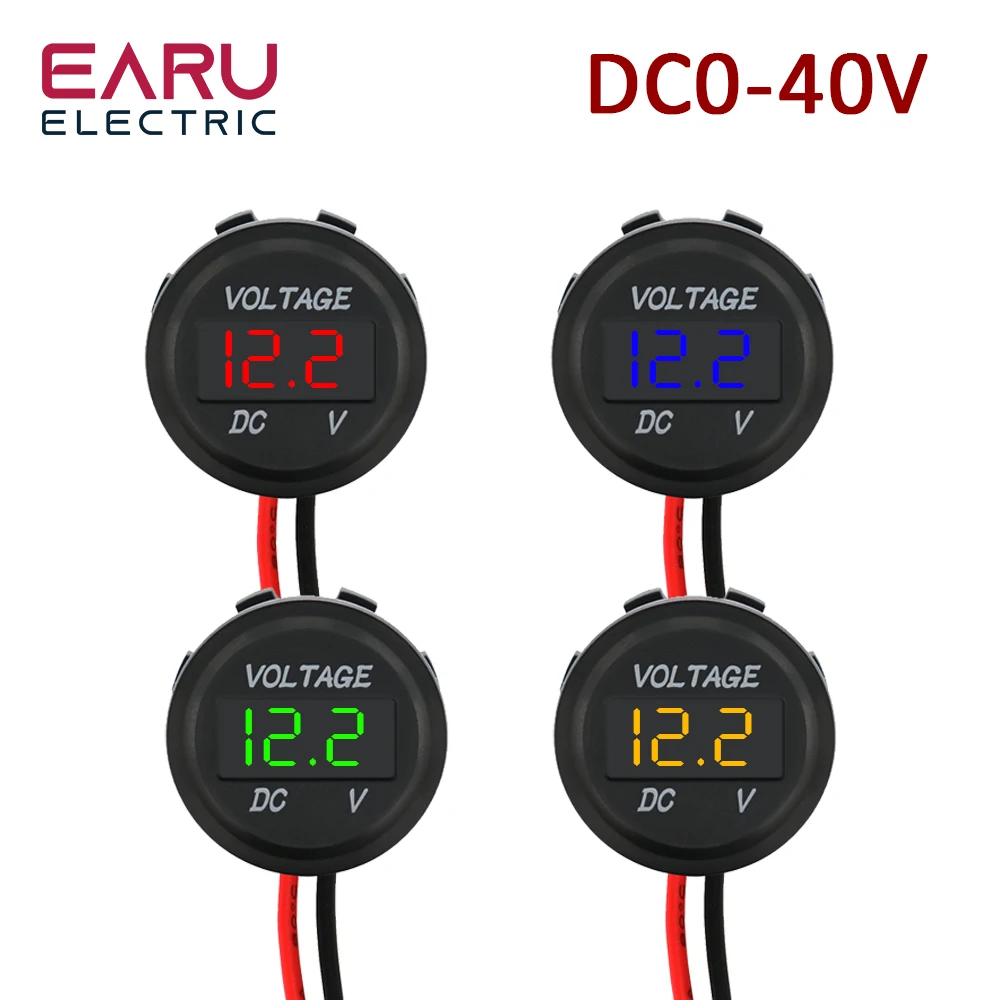
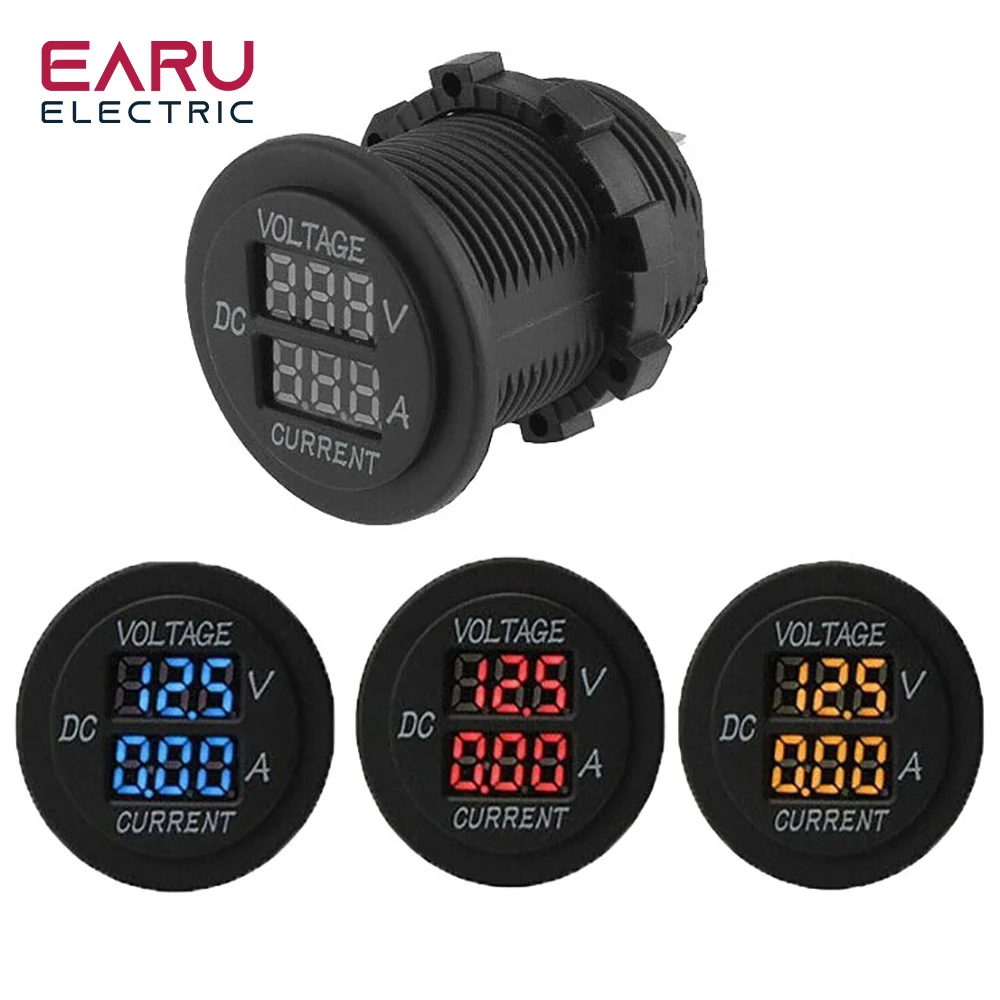
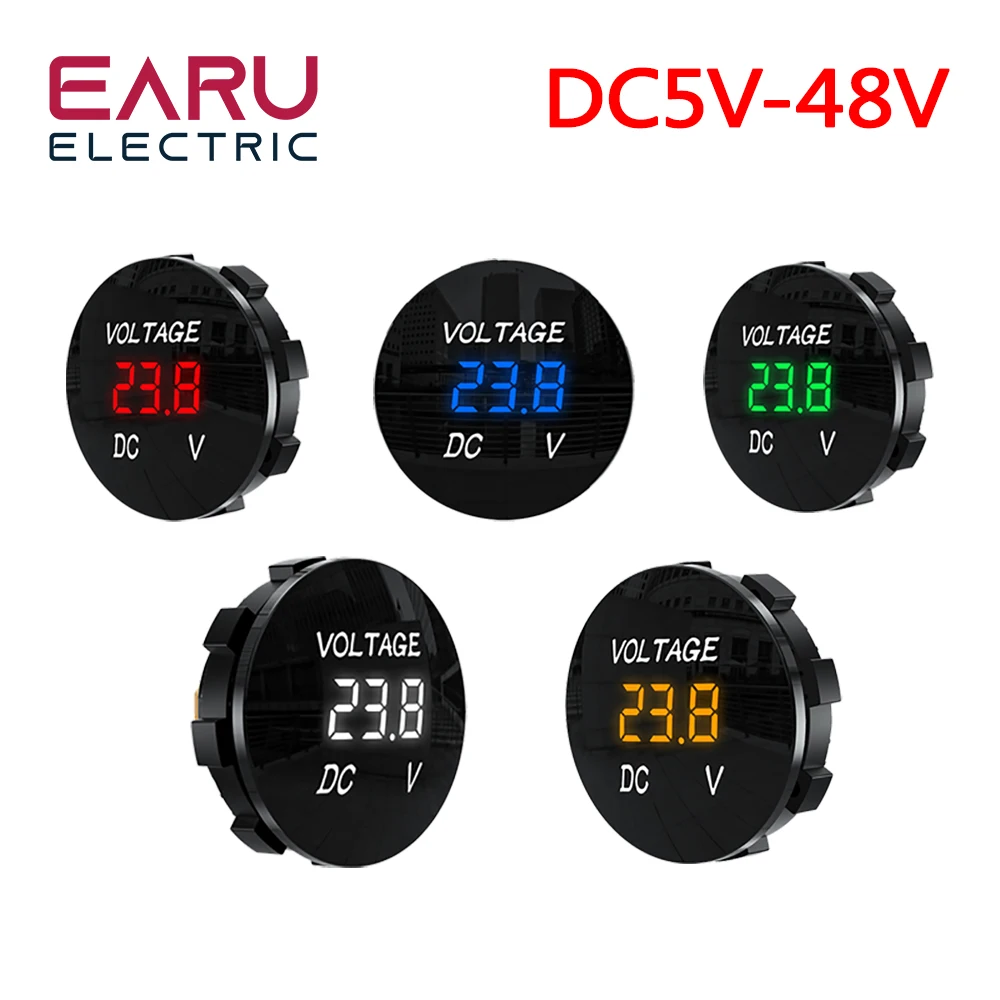
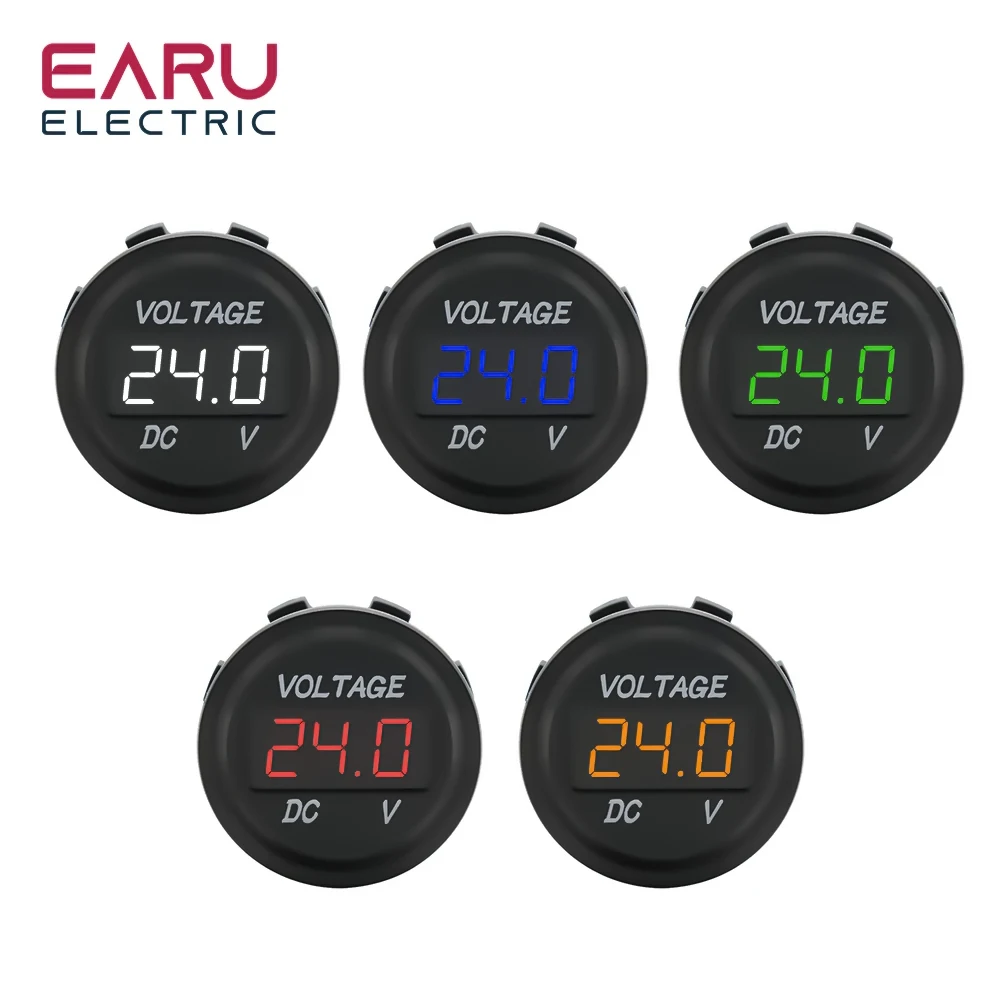
EARU Voltmeters and Ammeters for Professional Measurement
EARU Voltmeters and Ammeters provide the precision current reading and voltage detection capabilities that electricians depend on when diagnosing circuit faults or commissioning new installations. Each meter mounts directly on DIN-rail for permanent panel integration or operates as a portable diagnostic tool for in-the-field troubleshooting. Models range from single-function ammeters reading up to 100 amps to dual-display units showing voltage and current simultaneously across single or three-phase systems. The 72mm and 96mm face plate sizes fit standard electrical cabinets without requiring custom cutouts or panel modifications. Sealed terminals prevent accidental contact with live conductors, protecting both the operator and the meter from environmental contamination. Scale markings use international standards so readings remain consistent whether you work in North America, Europe, or Asia. Installation takes minutes with standard metric screwdrivers and a voltage-free power source connection.
Engineering and Professional Grade Measurement Accuracy
Professional grade equipment demands components that withstand repeated measurement cycles without drift or calibration loss over months of continuous operation. EARU meters use moving-coil movements with hardened sapphire bearings, eliminating friction loss and extending service life beyond 50,000 operating hours before requiring factory recalibration. Electrical shielding inside the housing prevents magnetic fields from adjacent transformers or motor starters from introducing measurement error into sensitive circuits. Temperature-compensated resistor networks maintain accuracy within 1.5 percent across ambient conditions from freezing warehouses to tropical installation sites. Input terminals accept both directly connected loads and signal-proportional inputs from external shunts or potential transformers rated to your system voltage. Stainless steel trim rings and brass mounting hardware resist corrosion in damp or salt-laden environments common near coastal industrial facilities. Full technical documentation provides quick-reference diagrams for three-phase delta and wye connections plus guidance on selecting the correct shunt ratio for your amperage requirements.
Advantages Over Digital Displays and Analog Alternatives
Analog movement meters operate without external power supplies, measuring live voltage and current even when control circuits fail or backup power sources deplete during emergency conditions. Digital displays require constant 24 VDC or 120 VAC operation, becoming blind during power interruptions exactly when technicians most need circuit status information. Movement-based technology proves immune to electromagnetic interference from variable frequency drives or high-frequency switching power supplies that corrupt digital sensor inputs. Mechanical precision allows readings accurate to plus-or-minus 1.5 percent of full scale, matching or exceeding the 2 to 3 percent accuracy typical of entry-level digital multimeters. Needle response speed shows transient current surges lasting only milliseconds, capturing load inrush events that digital samplers miss completely. Long-term reliability data from power utilities shows analog meters routinely operating for 20+ years without maintenance, while digital units average 4 to 6 years before component failure. EARU meters cost 30 to 50 percent less than equivalent digital panel instruments while delivering superior longevity and emergency-condition reliability.
Selecting and Installing Measurement Solutions
Determine your application first: ammeters for load monitoring, voltmeters for supply verification, or combination meters for comprehensive circuit diagnostics in your electrical panel layout. Wire ammeters in series with the circuit load using appropriately sized shunts to extend measurement range beyond the meter movement capacity, typically 5 to 100 amps without external shunts. Connect voltmeters in parallel across the supply voltage, applying fuses or series resistors to protect meter movements from short-circuit surges during installation or maintenance procedures. Three-phase installations require either three single-phase meters or a single combined display fed from step-down potential transformers that isolate high-voltage systems from low-voltage meter circuitry. DIN-rail mounting clips secure meters vertically or horizontally depending on cabinet layout preferences, with terminal blocks positioned for easy access during troubleshooting or panel reconfiguration. Label each meter clearly with its function and circuit designation so future technicians understand measurement scope without consulting original schematic drawings. Order online from the official EARU store to receive complete terminal connection diagrams, mounting hardware, and a technical support line for application questions before or after installation.