
RCBO
Residential circuits need protection from both overcurrent and residual ground faults, two separate hazards that standard circuit breakers handle alone cannot address simultaneously. EARU RCBO devices combine residual current and overload protection into one DIN-rail unit, eliminating the need for paired breakers and saving installation time and panel space. Order online from the official store today and discover why electricians trust this compact solution for safer, more efficient electrical systems.

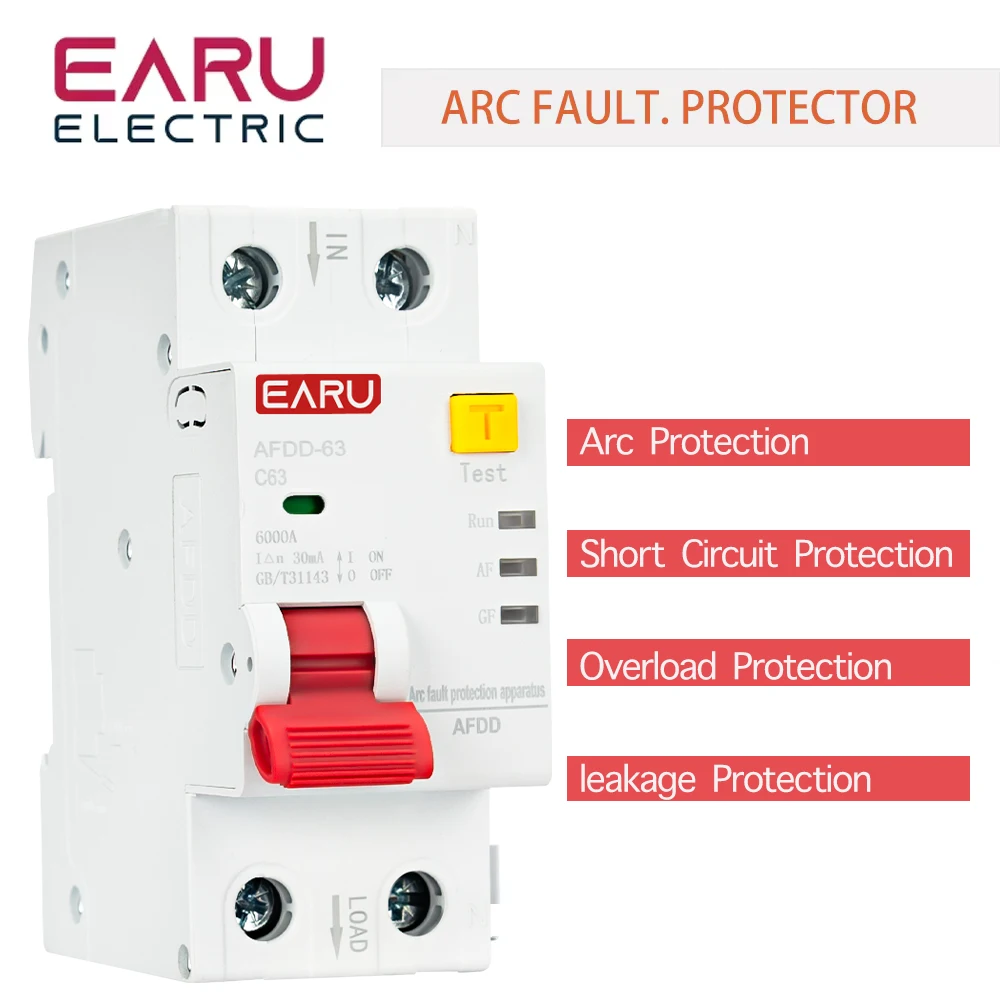
EARU RCBO Delivers Dual Protection in One Compact Unit
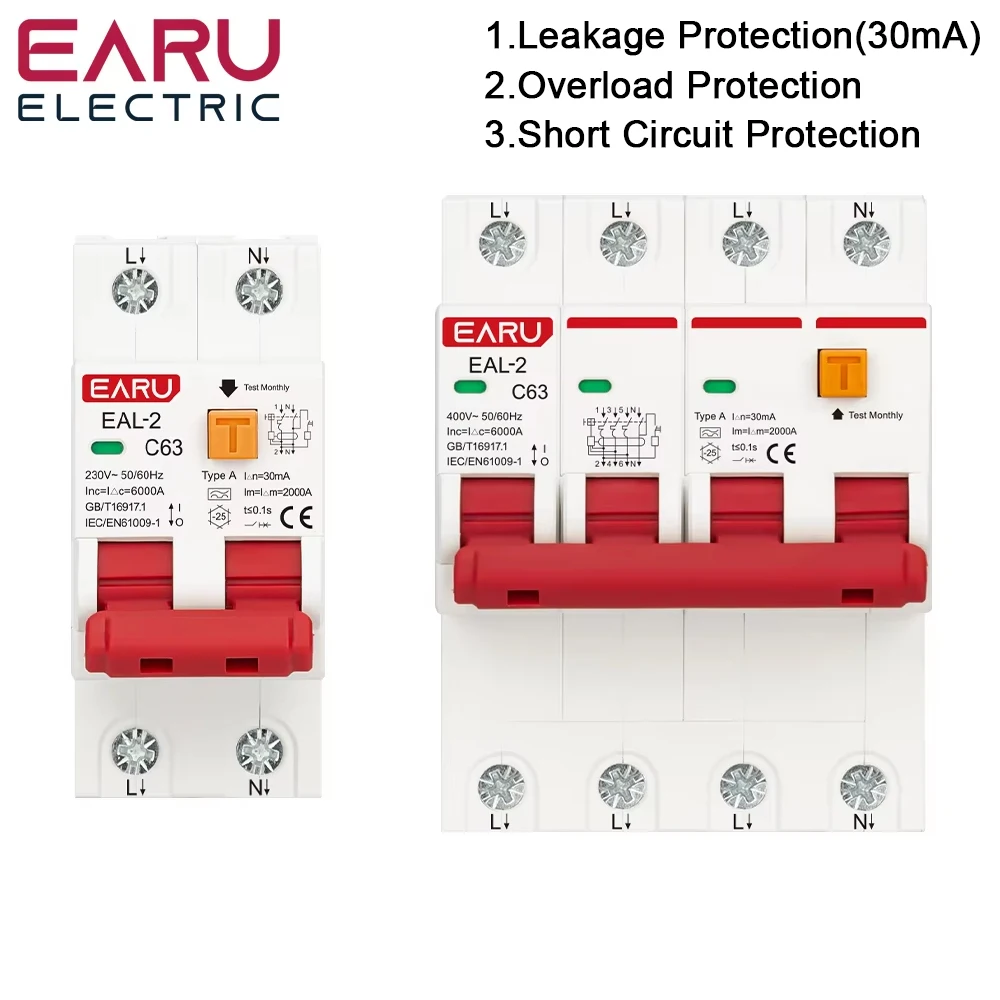
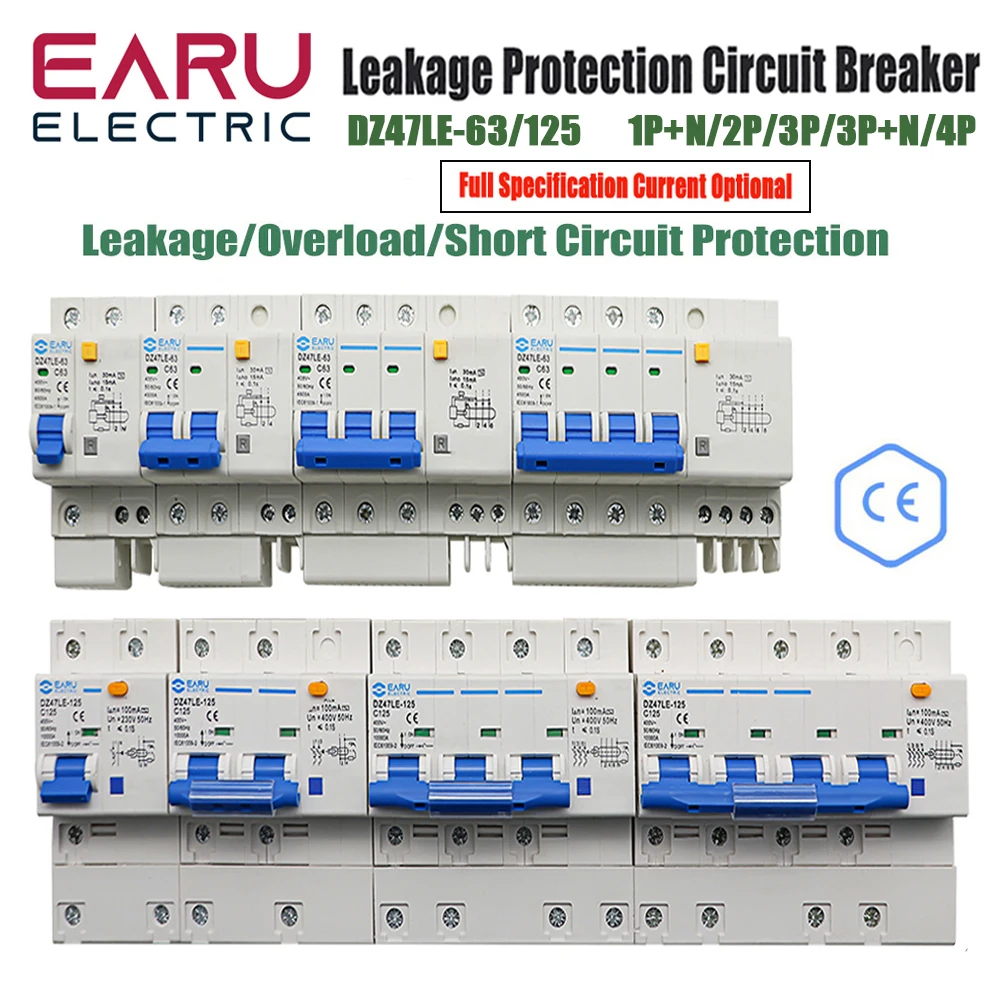
EARU RCBO modules integrate two critical safety functions into a single DIN-rail device: they detect dangerous residual currents that indicate ground faults while simultaneously protecting circuits from dangerous overload conditions. A residual current represents leakage to earth that can cause electric shock or fire, typically requiring a separate residual current device installed alongside a standard breaker. The EARU RCBO approach consolidates this protection, reducing panel crowding and installation complexity for residential and light commercial installations. Each unit features adjustable trip curves matched to different load profiles, from standard resistive circuits to motor-heavy applications. The compact form factor fits into tight spaces within existing panel layouts without requiring costly panel upgrades or rewiring. Certified to international safety standards, these modules undergo rigorous testing to verify both residual current detection and overload trip performance under fault conditions. Electricians and DIY enthusiasts benefit from simplified installation, faster project completion, and reduced material costs compared to traditional dual-device approaches.
Advanced Trip Mechanism and Protective Technology
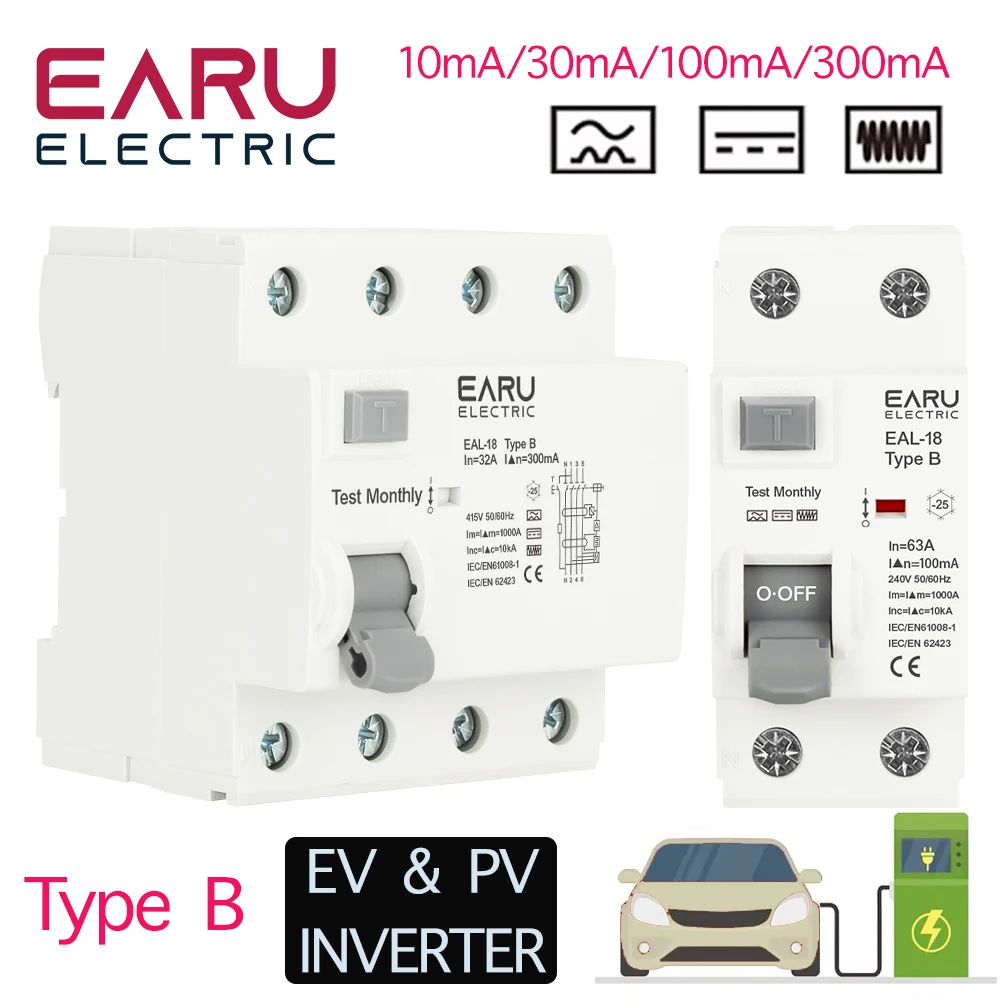
Modern residual current detection relies on a toroidal transformer that senses any imbalance in line and neutral currents flowing through the circuit. When leakage current exceeds the device sensitivity threshold—typically 30 mA for general circuits or 300 mA for equipment protection—the electromagnetic trip mechanism activates within milliseconds. The overload protection stage uses a bimetal strip that heats in response to sustained current above the rated setting, providing both inverse-time delay for harmless inrush currents and instantaneous protection against severe faults. Dual-stage operation prevents nuisance tripping during brief surge events while maintaining reliable fault detection during sustained overload. Manual test buttons allow regular functional verification without exposing the circuit to actual fault conditions, enabling predictive maintenance schedules. The mechanical memory indicator shows trip origin, distinguishing between residual current events and overload events to aid in fault diagnosis. Corrosion-resistant contact materials ensure long operational life even in humid industrial or coastal environments where moisture accelerates degradation.
Why Choose EARU RCBO Over Separate Devices
Installing traditional protection requires mounting both a standard overcurrent breaker and a separate residual current device, consuming two DIN-rail spaces and two connection points in the panel. Space savings alone justify the EARU RCBO choice in modern residential panels where circuit density continues increasing as homes add more electrical loads. A single qualified test confirms both protective functions work correctly, reducing commissioning time and complexity during new installations or retrofit projects. Material costs drop significantly because purchasing one integrated unit costs less than buying two separate premium devices from multiple manufacturers. System reliability improves when fewer interconnections reduce potential failure points or misconfigurations during installation. Independent testing confirms that integrated residual current and overload protection performs equivalently to or better than dual-device systems in fault scenarios. Order online from the official store and access technical documentation showing comparative test data against competing protection architectures.
Selecting the Correct EARU RCBO for Your Application
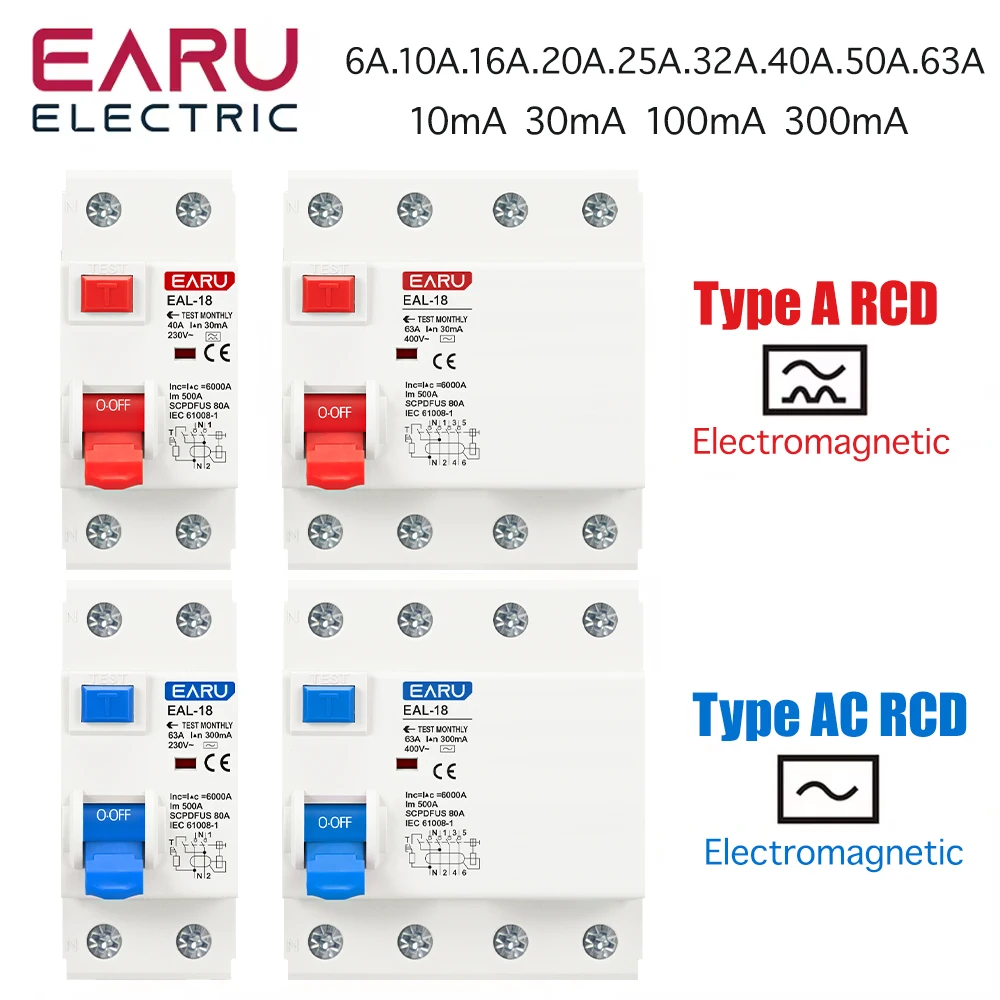
Match the EARU RCBO trip rating to the cable ampacity and connected load: 16 A for light circuits and small appliances, 20 A for general-purpose branch circuits, 32 A for kitchen and laundry applications requiring higher capacity. Residual current sensitivity should be 30 mA for areas with shock risk including bathrooms, outdoor circuits, and wet locations, while 300 mA models suit heavy industrial equipment or where nuisance tripping would disrupt operations. Verify your local electrical code requires residual current protection for the specific circuit type—mandatory protection levels vary by jurisdiction and installation use case. Test the module monthly using the built-in test button to confirm mechanical function, a simple maintenance task that takes seconds and requires no external test equipment. Installation follows standard DIN-rail mounting procedures: secure the module to the rail, connect incoming and outgoing conductors to labeled terminals, and verify polarity before energizing the circuit. Shop the complete EARU range at competitive prices from the official store, where you receive full manufacturer warranty coverage and expert technical support for any installation questions. Professional electricians and DIY installers worldwide rely on prompt shipping and reliable delivery to keep projects on schedule.